
Overview
A French-Polish history woven from ties, exiles, battles and intertwined destinies
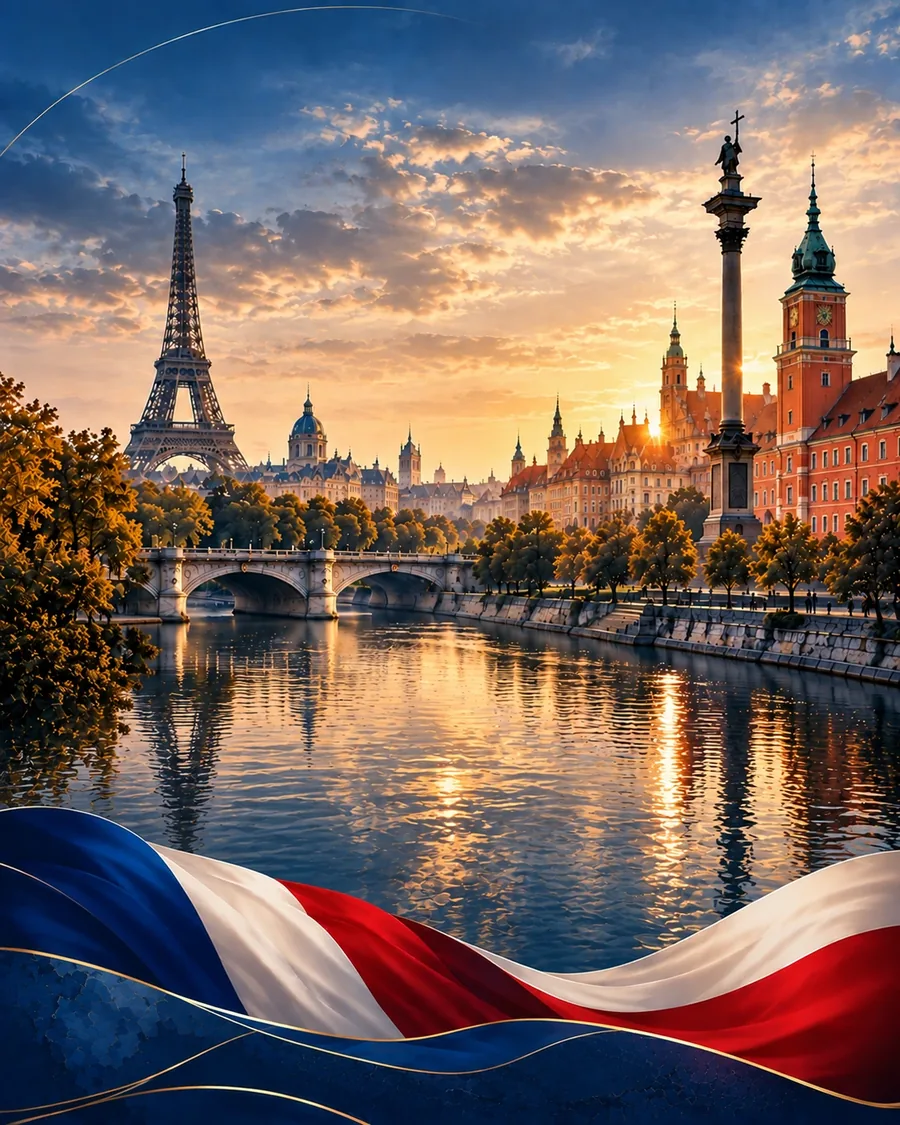
The history of France and Poland cannot be reduced to a few diplomatic episodes or a handful of great figures. For several centuries the two countries have been bound together by political relations, alliances, cultural exchanges, migrations and, on several occasions, by a shared destiny in the face of European upheavals.
This history has left tangible traces in Poland as well as in France: monuments, cemeteries, war graves, commemorative plaques, archives, works of art, institutions, families and places of remembrance. French remembrance in Poland exists to identify them, to document them and to pass them on.
- 1573 Henry of Valois is elected King of Poland
- 1725 Marie Leszczyńska marries Louis XV
- 1737 Stanisław Leszczyński, Duke of Lorraine in Nancy
- 1807 Creation of the Duchy of Warsaw
- 1831 Beginning of the Great Emigration
- 1917 Creation of the Blue Army in France
- 1918 Poland regains its independence
- 1944 The 1st Polish Armoured Division liberates France
- 2025 Signing of the Treaty of Nancy
Long-standing relations between France and Poland
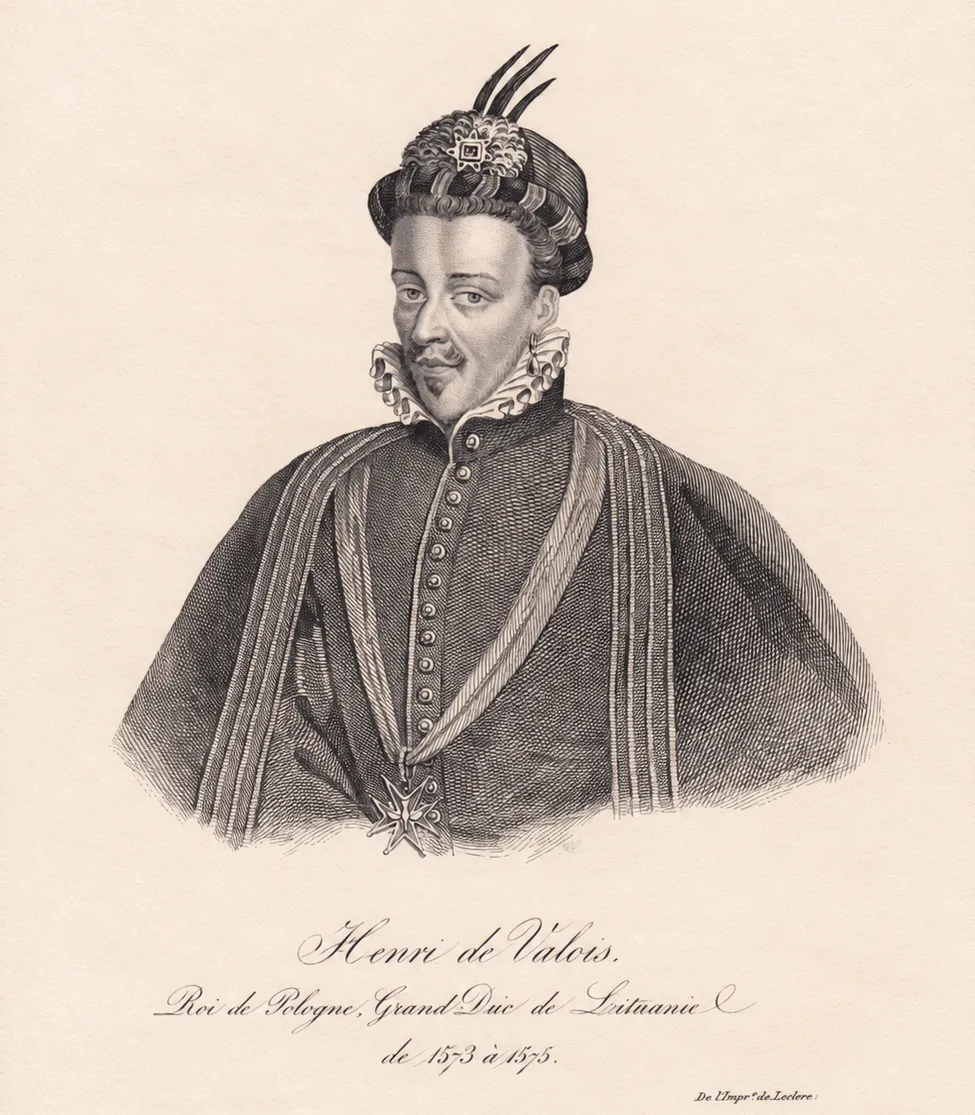
The ties between the two countries are old. As early as the sixteenth century they took on a particular political dimension with the election, in 1573, of Henry of Valois, brother of King Charles IX of France, to the throne of Poland and the Grand Duchy of Lithuania. Henry of Valois reigned only briefly in Poland before becoming King of France as Henry III in 1574, but his election was an important episode in the establishment of lasting relations between the two countries.
In the seventeenth century the ties continued, notably through Louise Marie de Gonzague, a Frenchwoman who became Queen of Poland through her marriage to Ladislaus IV Vasa and then to John II Casimir. Another emblematic figure is Marie Casimire d’Arquien, born in France, who became Queen of Poland alongside John III Sobieski. She maintained close relations with the France of Louis XIV and contributed to the rapprochement between the two countries.
These personal, family and political stories show that French-Polish relations are not only those of two states: they are also those of the men and women who lived between the two countries.
Stanisław Leszczyński and Marie Leszczyńska: a story that binds Poland to France
In the eighteenth century the destiny of Stanisław Leszczyński was one of the most remarkable links between the two countries.
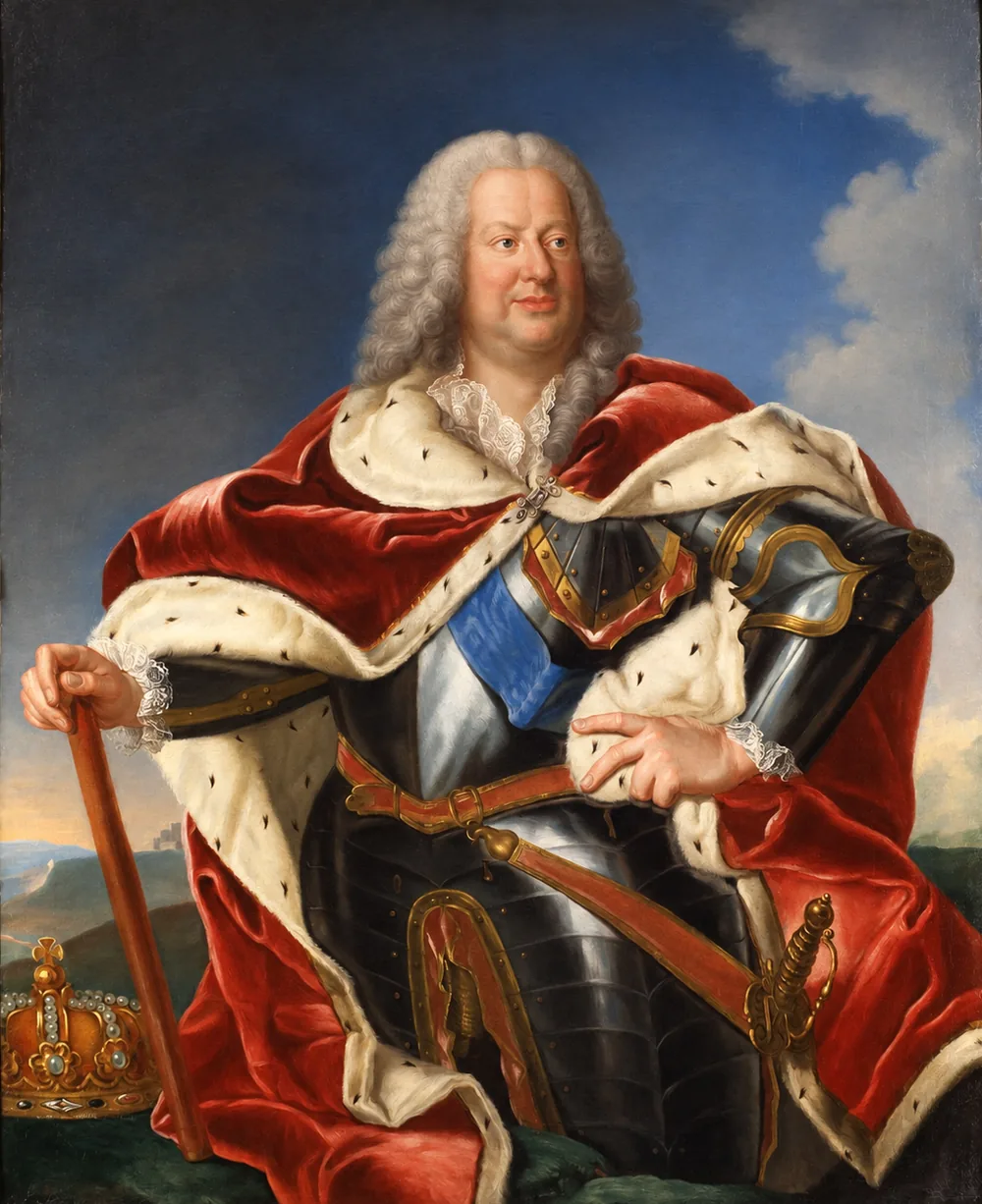
Elected King of Poland in 1704 and then dethroned in 1709, Stanisław Leszczyński experienced exile. He was elected King of Poland again in 1733, but finally renounced the throne in 1736. In 1737 he became Duke of Lorraine and Bar and settled in Nancy, where he remained until his death in 1766.
His French destiny is directly linked to that of his daughter. In 1725 Marie Leszczyńska, daughter of Stanisław, married Louis XV, King of France. The marriage was celebrated by proxy in Strasbourg on 15 August 1725, then at Fontainebleau on 5 September. Marie Leszczyńska became Queen of France and remained so until her death in 1768. She gave Louis XV ten children, among them the future Louis, father of Louis XVI.
Stanisław then settled in Lorraine, where he left a considerable mark. In Nancy he had the urban ensemble that today bears his name laid out, and contributed to the cultural and intellectual development of Lorraine.
His story is therefore at once Polish, French and European. It is one of the most visible examples of the historical depth of relations between the two countries.
Napoleon and the Poles: the hope of recovering an independent Poland
At the beginning of the nineteenth century the Polish cause was also bound up with Napoleonic history.
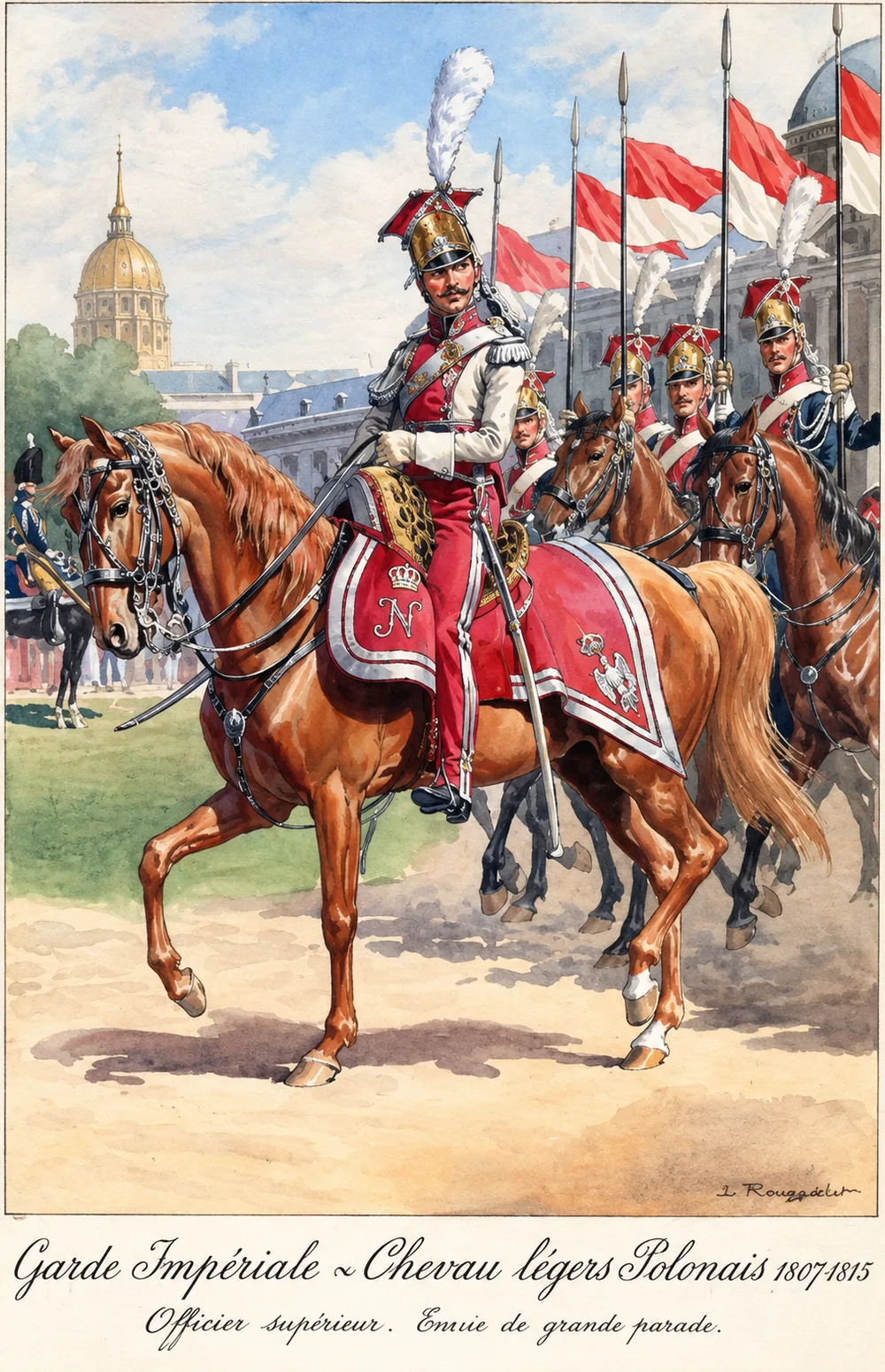
After the partitions of Poland, many Poles saw in Napoleon Bonaparte possible support for the restoration of their country. About 100,000 Polish soldiers fought in the Grande Armée and took part in particular in the Napoleonic campaigns. The Duchy of Warsaw, created in 1807, was for a few years a Polish entity closely linked to the French Empire.
The legacy of this period is important in Polish memory. It is a reminder that, for many Poles, the military struggle alongside France was also associated with the hope of recovering an independent Polish state.
The Great Emigration: Poland in exile in France
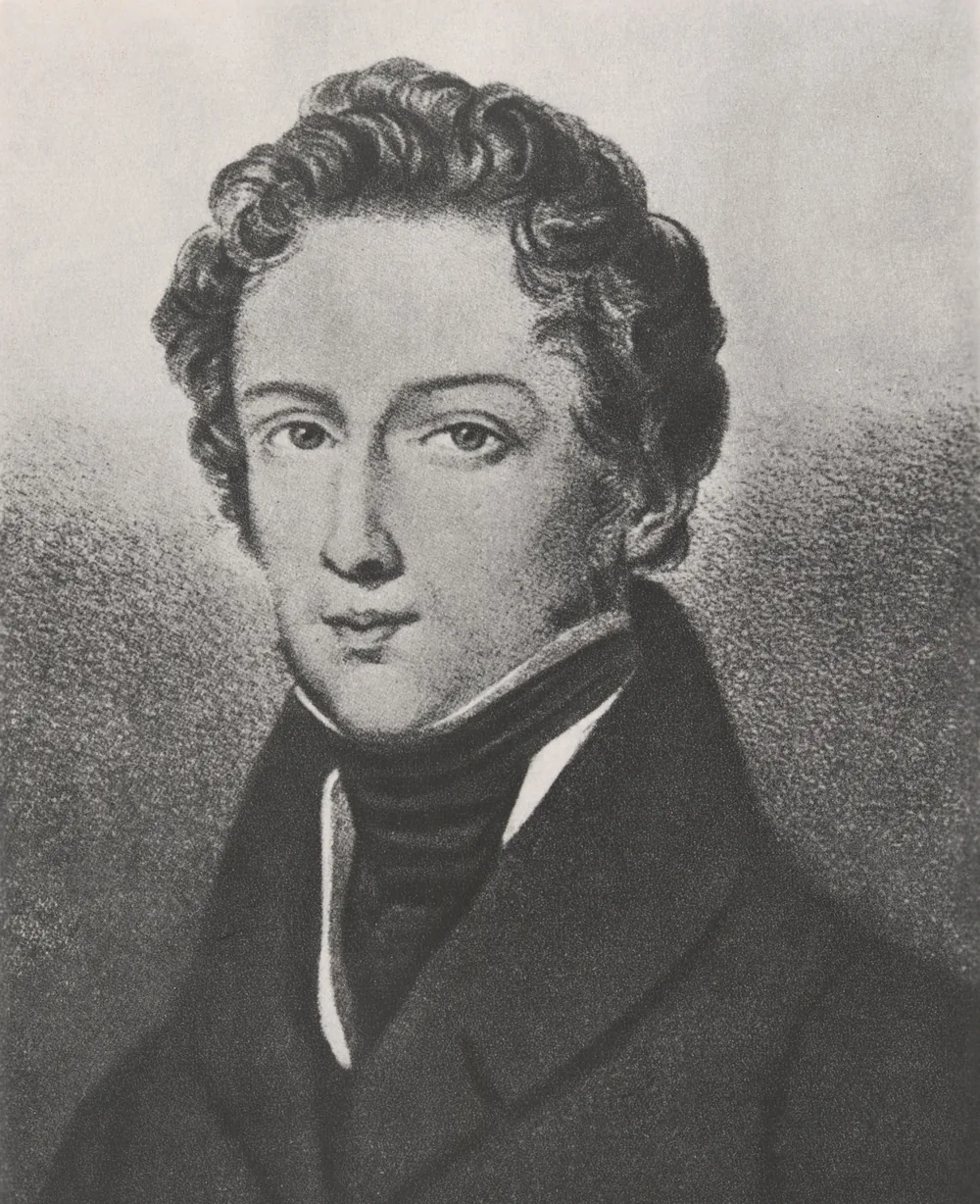
After the failure of the November Uprising of 1830-1831, several thousand Poles were forced into exile. This period is known as the Great Emigration.
France then became one of the main centres of the political, intellectual and cultural life of the Polish emigration. Between 1831 and 1870, according to estimates presented by the BnF (National Library of France), about 30,000 Poles emigrated to France.
Paris became a major centre of the Polish cause. The Hôtel Lambert, gathered around Prince Adam Jerzy Czartoryski, brought together a significant part of the political and cultural elite of the emigration.
It was also in France that several of the great figures of nineteenth-century Polish culture lived or worked: Frédéric Chopin, Adam Mickiewicz, Juliusz Słowacki, Cyprian Kamil Norwid and many others. Chopin arrived in Paris in 1831 and became one of the leading figures of this Polish community in exile.
The Polish presence in France was therefore not limited to political exile. It gave rise to schools, associations, libraries, printing houses, parishes and institutions that lastingly contributed to the transmission of Polish culture in France.
Poles in the service of France
The ties between the two peoples are also military. In the nineteenth century, Poles who had come to France fought in its armies. After the uprising of 1863, a new wave of refugees arrived in France, and some enlisted, notably in the French army, during the war of 1870.
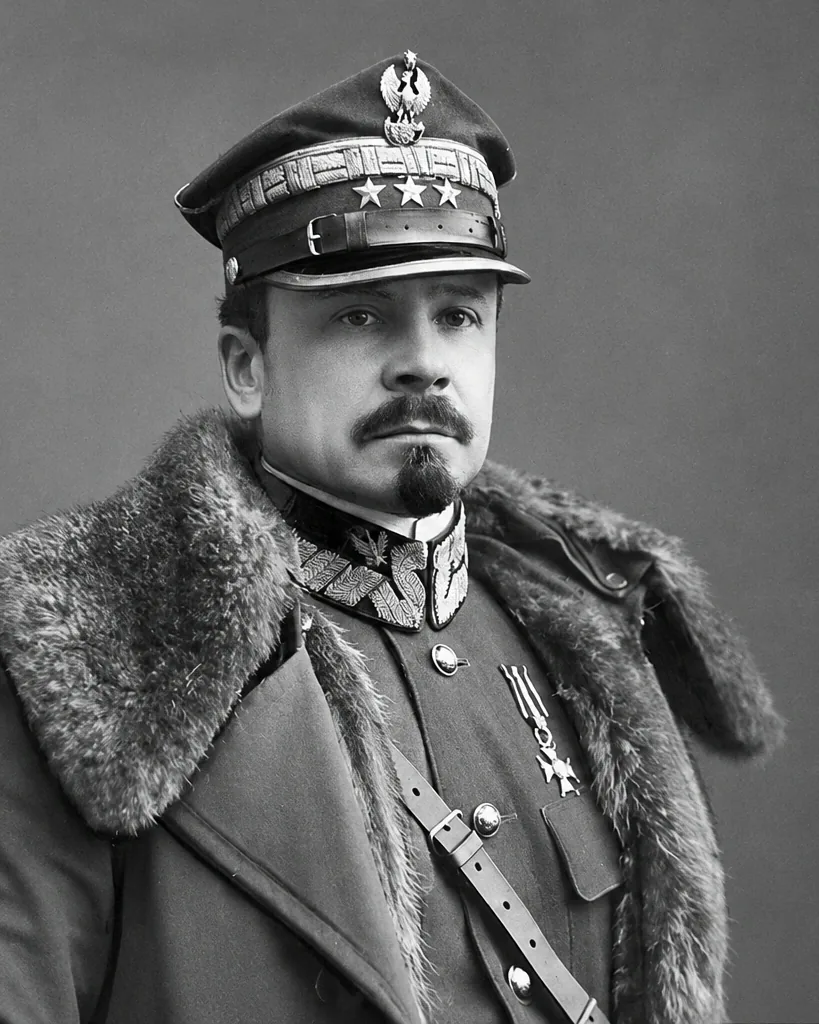
In the twentieth century this military history took on a new dimension. During the First World War, France took part in the formation of a Polish army on its territory. The creation of this army was ordered on 4 June 1917 by the President of the Republic, Raymond Poincaré. This force, known as the Blue Army, was placed under the command of General Józef Haller and took part in combat from 1918.
France thus became one of the places where a Polish military force was reconstituted before Poland’s return to independence in 1918.
Polish immigration to France: another history of remembrance
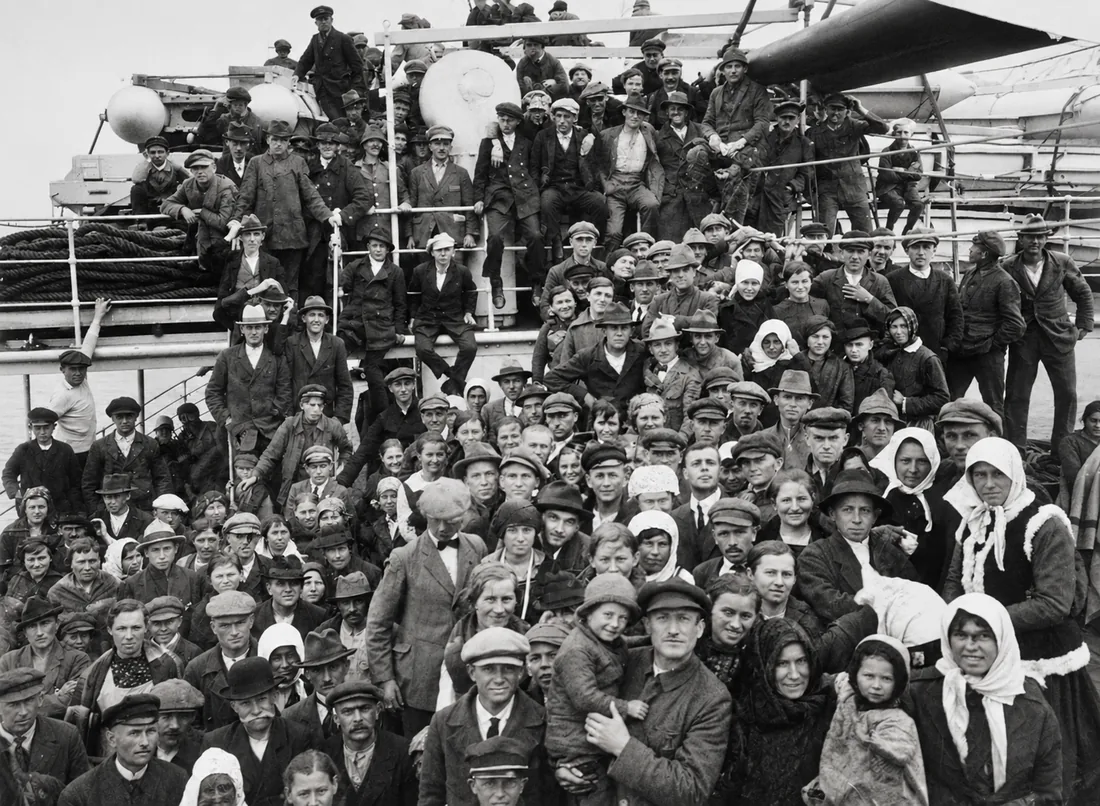
After Poland’s return to independence, relations between the two countries took on a new dimension. In the interwar period, France welcomed a large Polish economic immigration. Men and women came to work in the mines, industry and agriculture. Polish communities developed particularly in the north and east of France.
This immigration was different from the Great Emigration of the nineteenth century: it was far more working-class and linked to the economic needs of post-war France. “Little Polands” appeared in several French regions, with their associations, schools, parishes, shops and newspapers.
This history is an integral part of French-Polish remembrance. It is a reminder that relations between the two countries are not only those of diplomats, soldiers or great personalities: they are also those of Polish families who came to live, work and put down roots in France.
1939-1945: fighting once again alongside France
In September 1939, the invasion of Poland by Nazi Germany and the Soviet Union opened a new and tragic period.
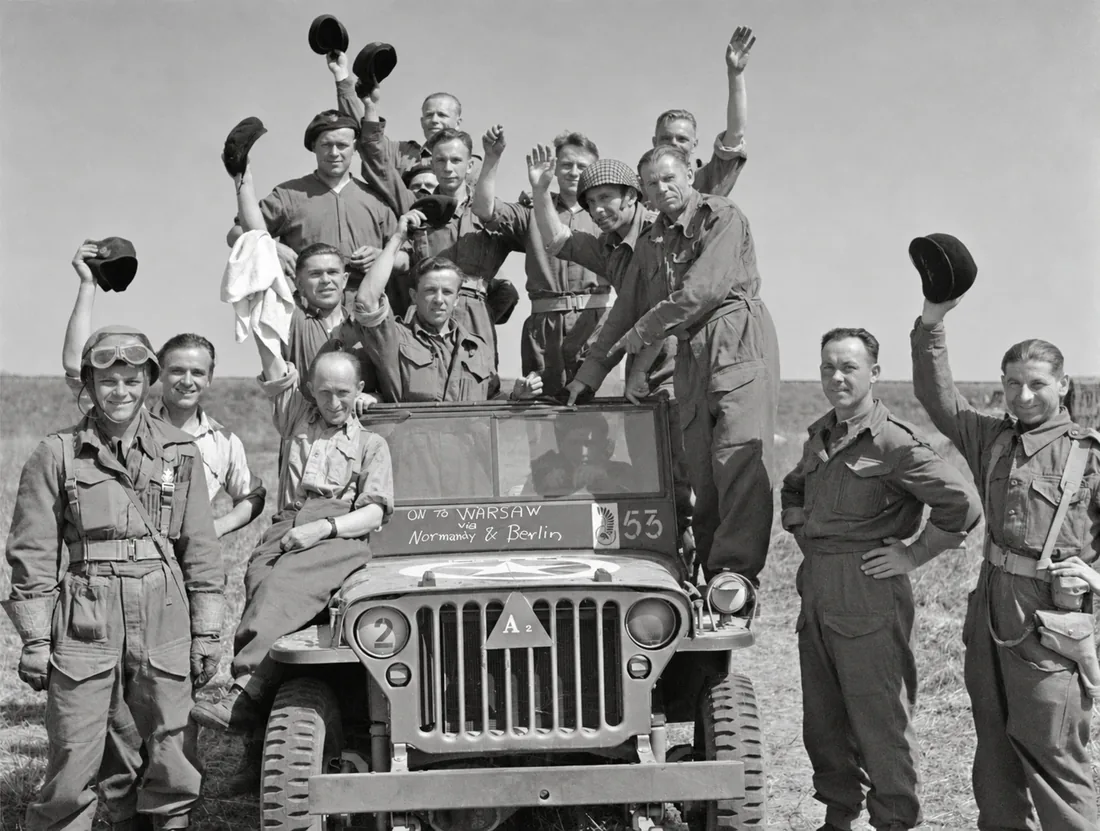
After the defeat of Poland, the Polish government took refuge in France. Polish military units were reconstituted on French territory and took part in the Battle of France in 1940 alongside the French forces. Some Polish soldiers then continued the fight from Great Britain or joined the Resistance.
In 1944 the 1st Polish Armoured Division of General Stanisław Maczek took part in the fighting for the liberation of France. The Polish national war cemetery of Grainville-Langannerie, in Normandy, contains in particular 615 graves of Polish soldiers who died during the fighting of the Liberation in 1944.
These places are today direct witnesses of a shared military history.

A remembrance that goes beyond the battlefields
The French presence in Poland and the Polish presence in France cannot, however, be reduced to wars. Scientists, artists, writers, students, diplomats, entrepreneurs, clergy, workers and families contributed, generation after generation, to building ties between the two societies.
Marie Skłodowska-Curie, born in Warsaw and a major figure of French science; Frédéric Chopin, whose artistic career largely developed in France; and Adam Mickiewicz, who settled in Paris and was a professor at the Collège de France, all illustrate this human and cultural history.
French-Polish remembrance is therefore manifold: it is military, political, cultural, scientific, religious, familial and social.
Why preserve this remembrance?
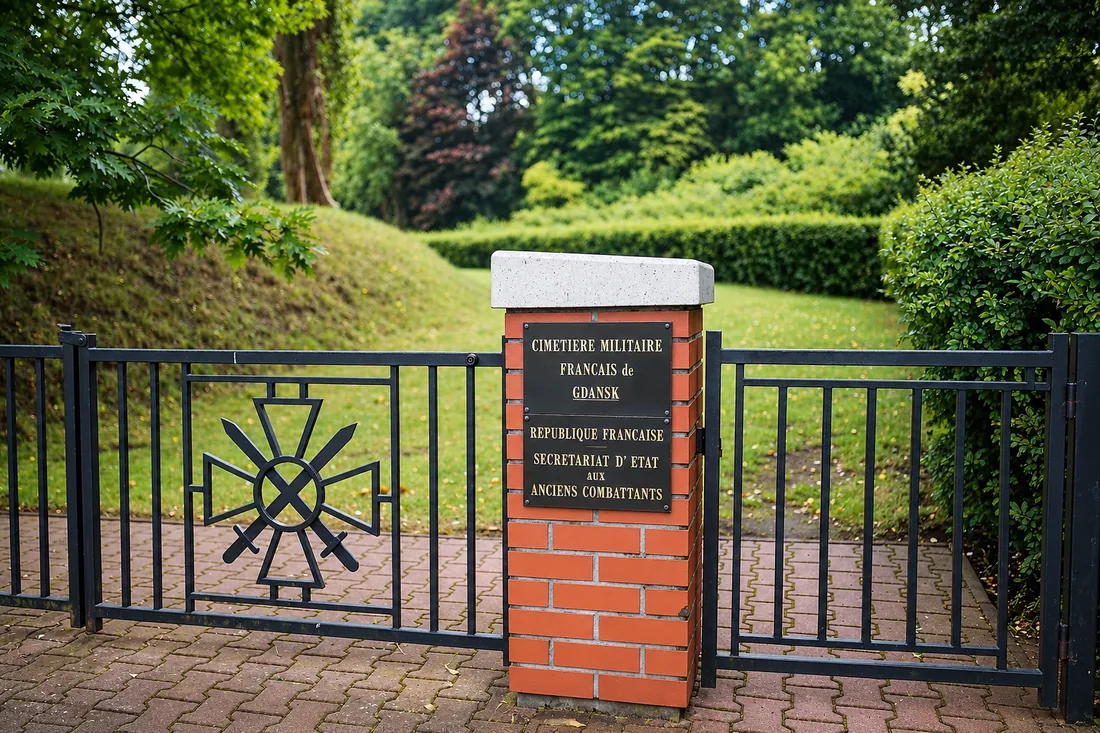
French remembrance in Poland consists of recovering these traces and making them known. It concerns French soldiers who died or were buried in Poland, Polish servicemen who fought alongside France, French people who lived in Poland, Poles who found refuge or a new life in France, but also the places, monuments, cemeteries, archives and testimonies that make it possible to understand this history.
To preserve a place of remembrance, identify a grave, recover a document or pass on the story of a person is to give back a place to a history that might otherwise disappear.
Our approach consists of documenting these traces with rigour, placing them back in their historical context and making them accessible to the public.
A living remembrance, turned towards the future
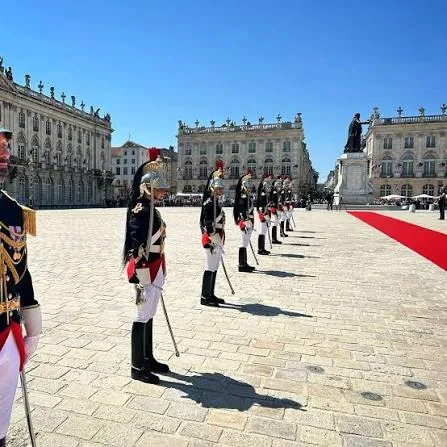
The relationship between France and Poland continues to be written. The Treaty of Nancy, signed on 9 May 2025 and which entered into force on 22 January 2026, officially recalls the historical depth of this relationship and strengthens cooperation between the two countries in the political, cultural, educational, scientific, energy, security and military fields. The choice of Nancy for its signing is itself a reference to the history of Stanisław Leszczyński.
In 2027 the France-Poland Cultural Season, which will run from 18 February to 31 October in both countries, is also set to extend this dialogue between the two societies.
Remembrance is therefore not turned solely towards the past. It helps us understand the ties that exist today between France and Poland and to pass on their history to future generations.